
What is Artificial Intelligence? A Simple Guide for Beginners (2026)
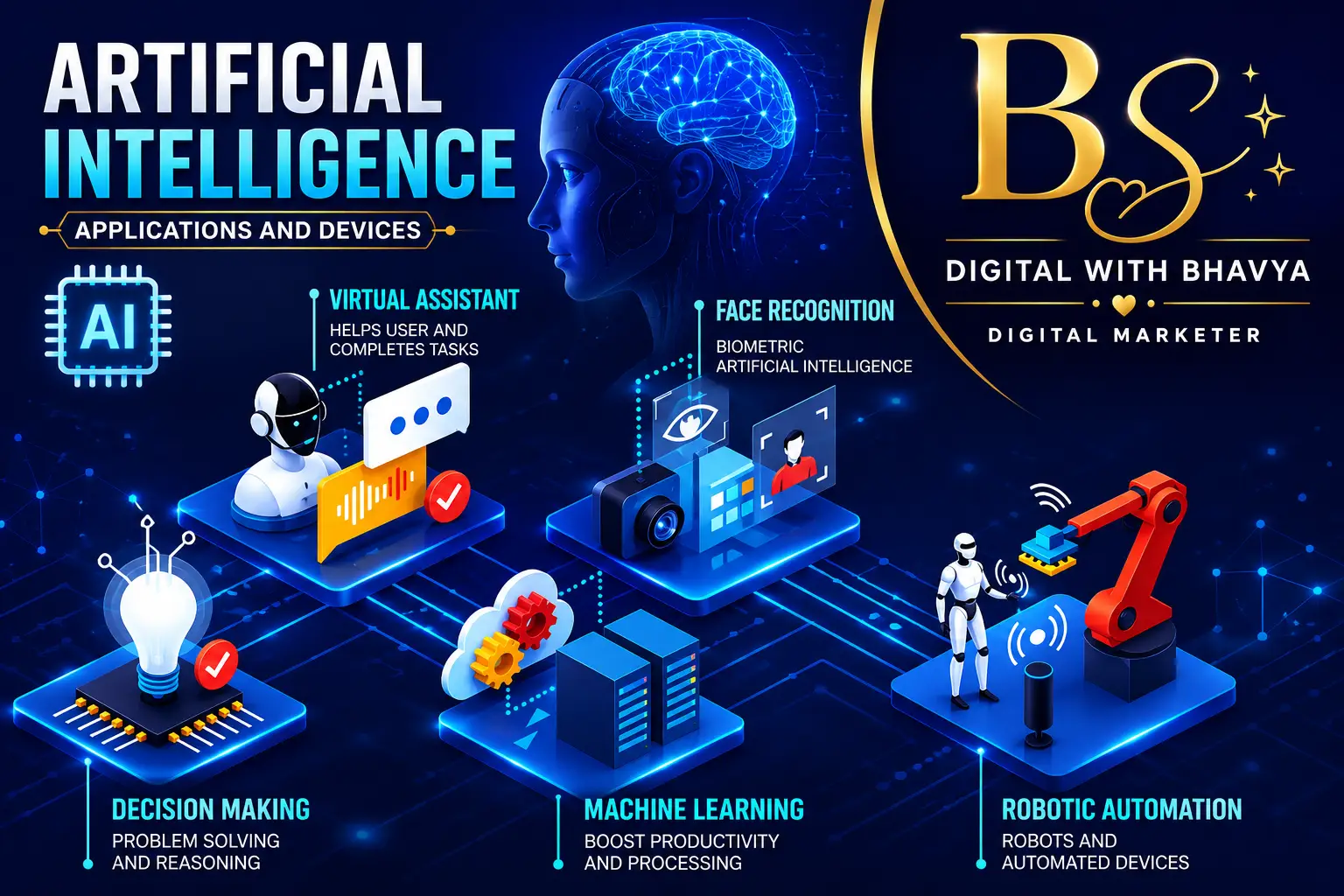
Artificial Intelligence (AI) is one of the most exciting technologies shaping our world today. From ChatGPT and Google Search to Netflix recommendations and self-driving cars, AI is everywhere.
But what exactly is Artificial Intelligence, and why is everyone talking about it?
In this beginner-friendly guide, you’ll learn what AI is, how it works, its different types, real-life examples, benefits, and the future of Artificial Intelligence.
What is Artificial Intelligence?
Artificial Intelligence (AI) refers to the ability of computers and machines to perform tasks that normally require human intelligence.
These Operations include:
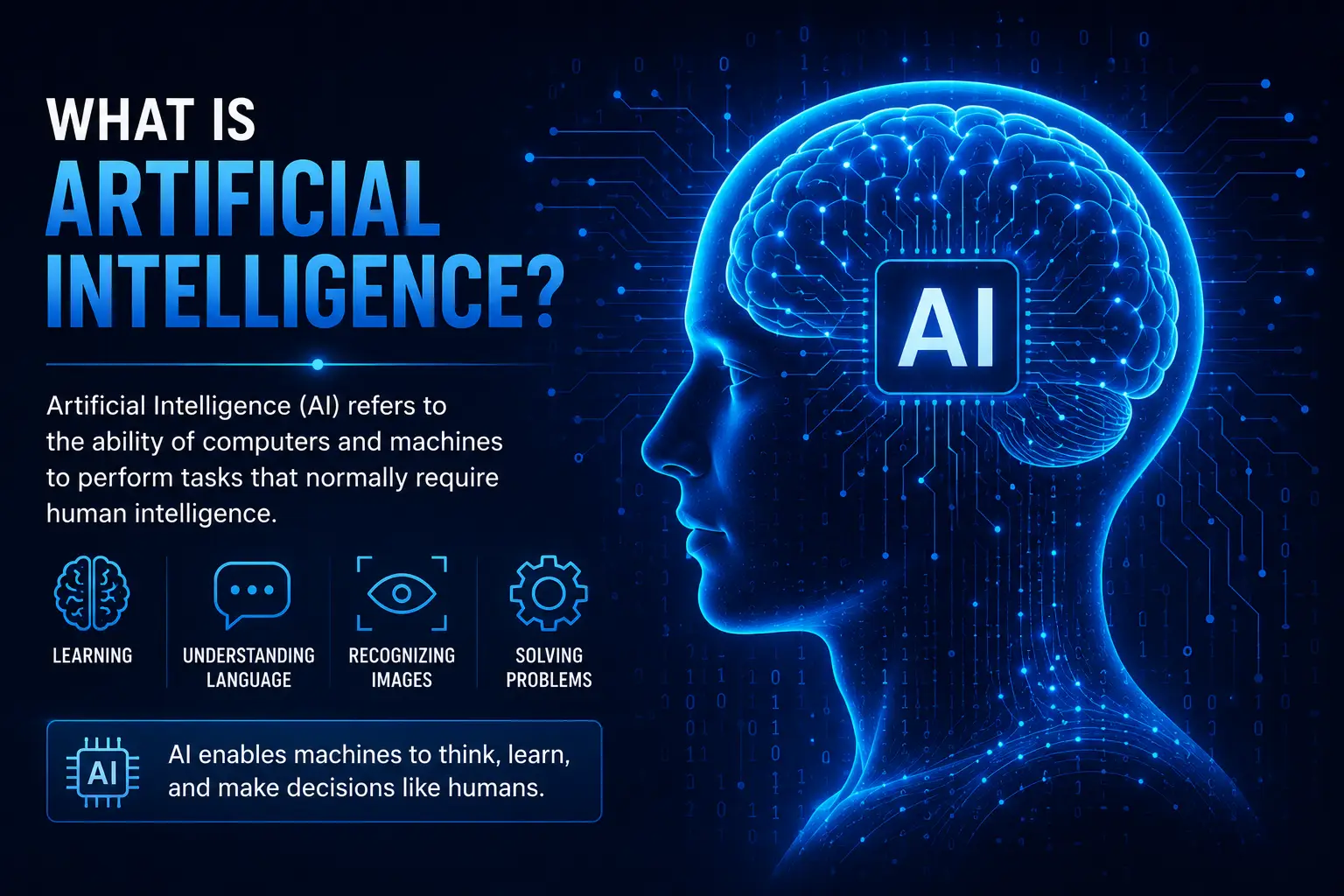
- Learning from data
- Understanding language
- Solving problems
- Recognizing images
- Making decisions
- Answering questions
Simply put, Artificial Intelligence enables machines to think and learn like humans.
Why is Artificial Intelligence Important?
AI helps businesses and individuals save time,Boost Productivity, and make smarter decisions.
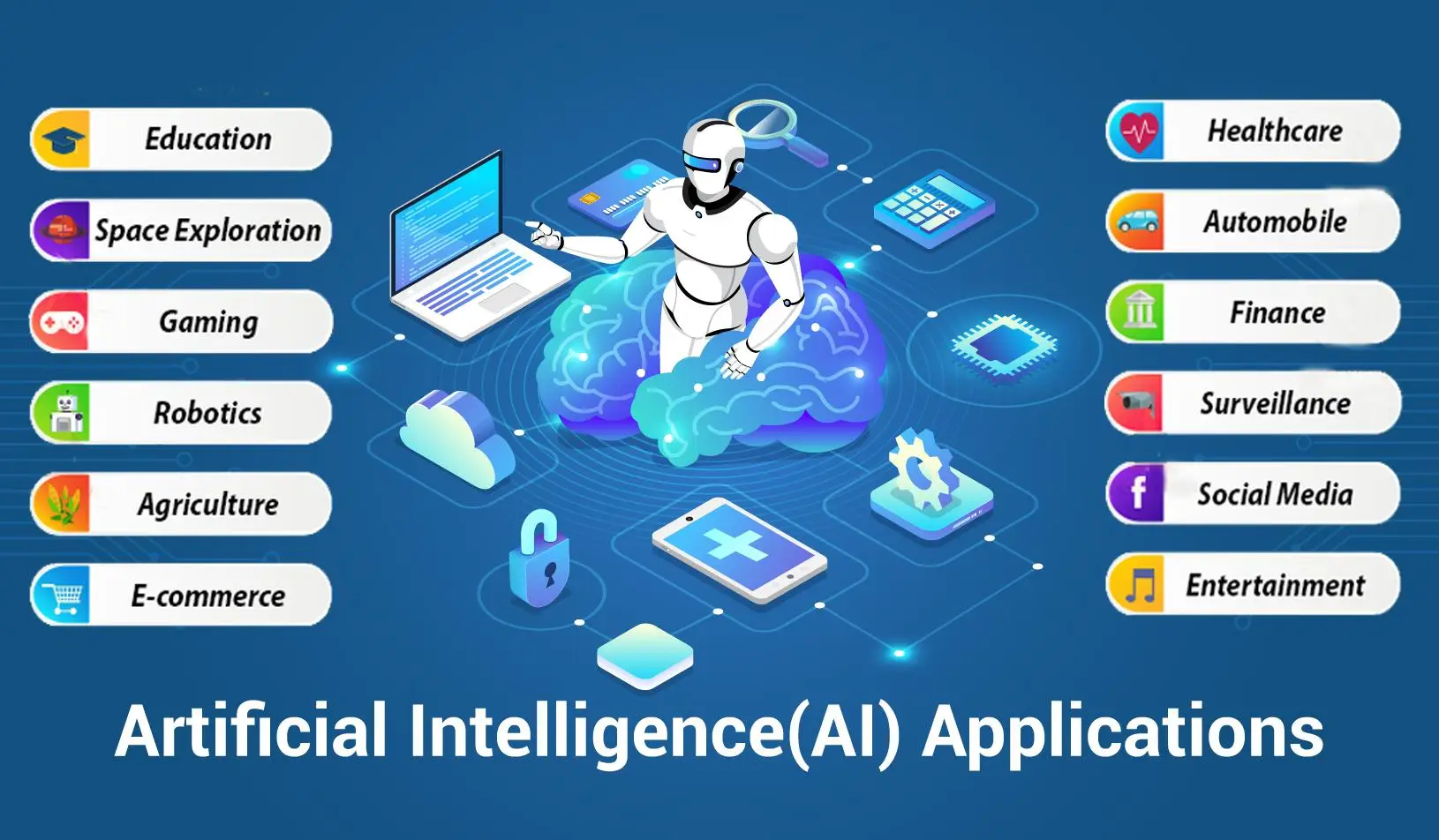
Today, Artificial Intelligence is used in:
- Healthcare
- Education
- Banking
- E-commerce
- Social Media
- Transportation
- Entertainment
As technology advances, AI will become even more important in our daily lives.
Types of Artificial Intelligence
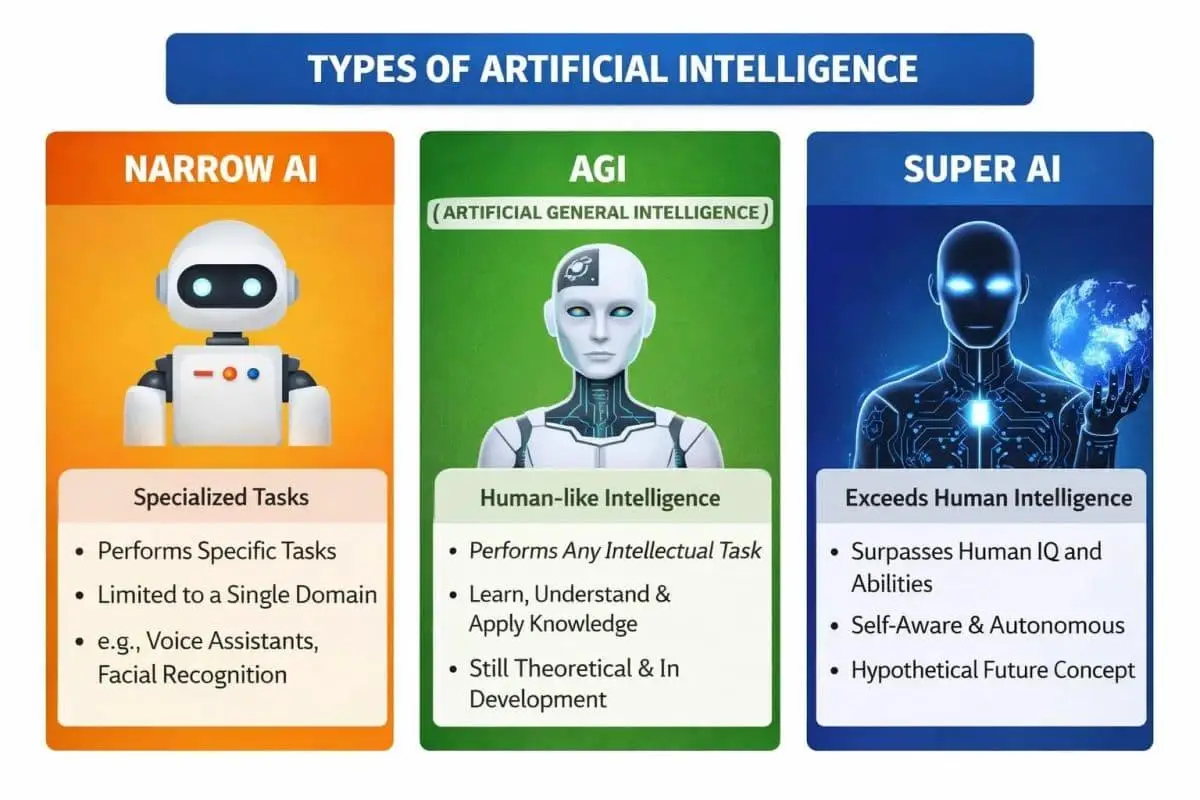
- Narrow AI
Narrow AI is designed to perform specific tasks.
Examples include:
- ChatGPT
- Siri
- Alexa
- Google Maps
- Netflix Recommendations
Most AI systems we use today belong to this category.
2. General AI
General AI refers to machines capable of performing any intellectual task like humans.
Currently, General AI is still under development.
3. Super AI
Super AI is a hypothetical concept where machines become smarter than humans.
This technology does not yet exist.
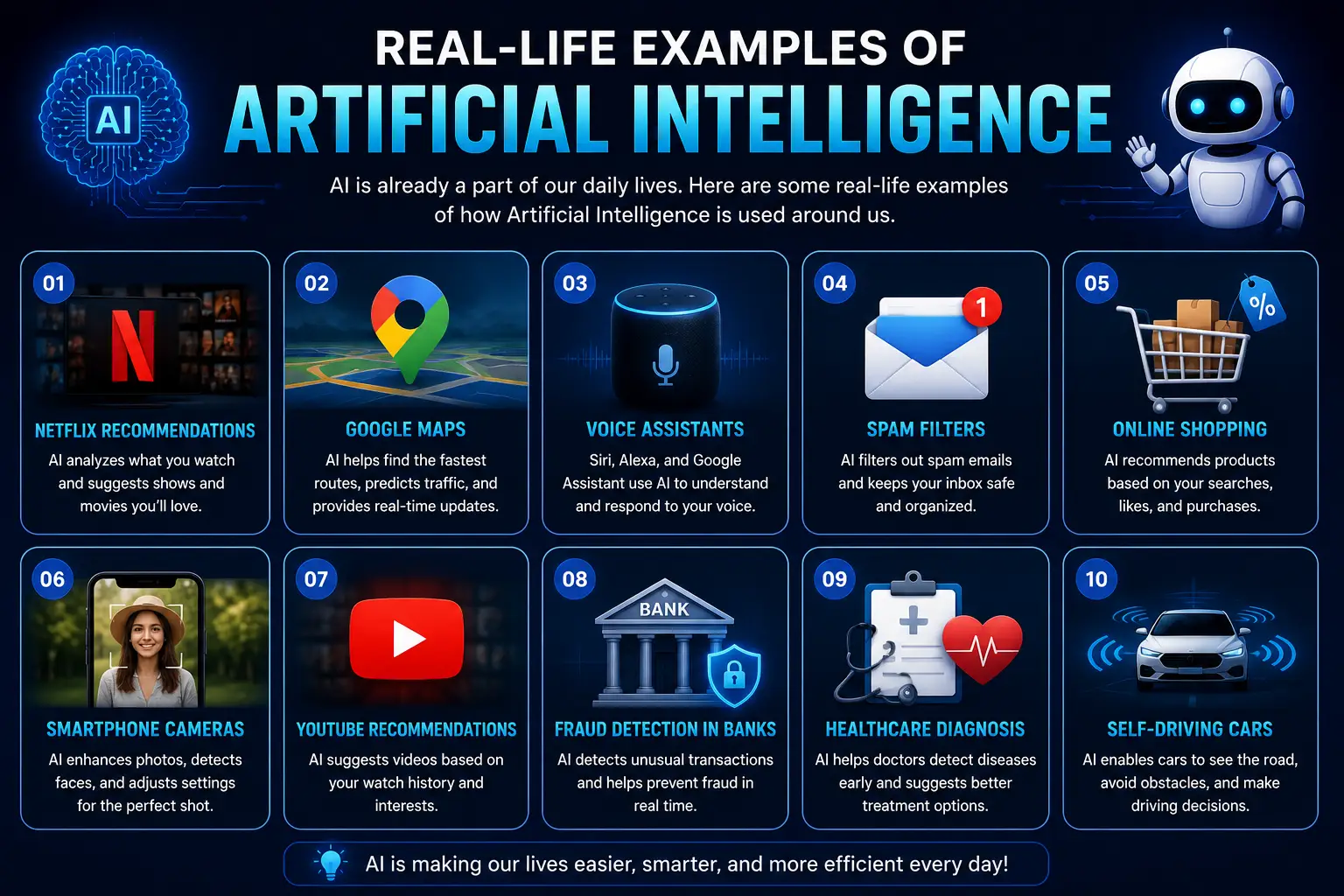
Real-Life Examples of Artificial Intelligence
ChatGPT
Google Search
Google uses AI to understand search queries and provide relevant results.
Netflix
Netflix recommends movies and shows based on your preferences.
Amazon
Amazon uses AI to suggest products and improve customer experience.
Face Recognition
Smartphones use AI to recognize faces and unlock devices.
Image Suggestion
Add an infographic showing:
Human Input → AI Processing → Output
Example:
Voice Command → Siri → Answer
Photo Upload → AI → Face Recognition
Search Query → Google AI → Search Results
How Does Artificial Intelligence Work?
AI systems are trained using large amounts of data.
The process generally involves:
Data Collection
AI gathers information from various sources.
Machine Learning
Algorithms learn patterns from data.
Decision Making
AI analyzes information and produces results.
Continuous Improvement
AI becomes smarter with more data and experience.
Benefits of Artificial Intelligence
Artificial Intelligence offers many advantages:
Saves Time
AI automates repetitive tasks and increases productivity.
Reduces Human Errors
AI systems can process data with greater accuracy.
Better Customer Experience
Chatbots and recommendation systems improve user satisfaction.
Increased Efficiency
Businesses can optimize operations using AI.
24/7 Availability
AI-powered systems can work continuously without breaks.
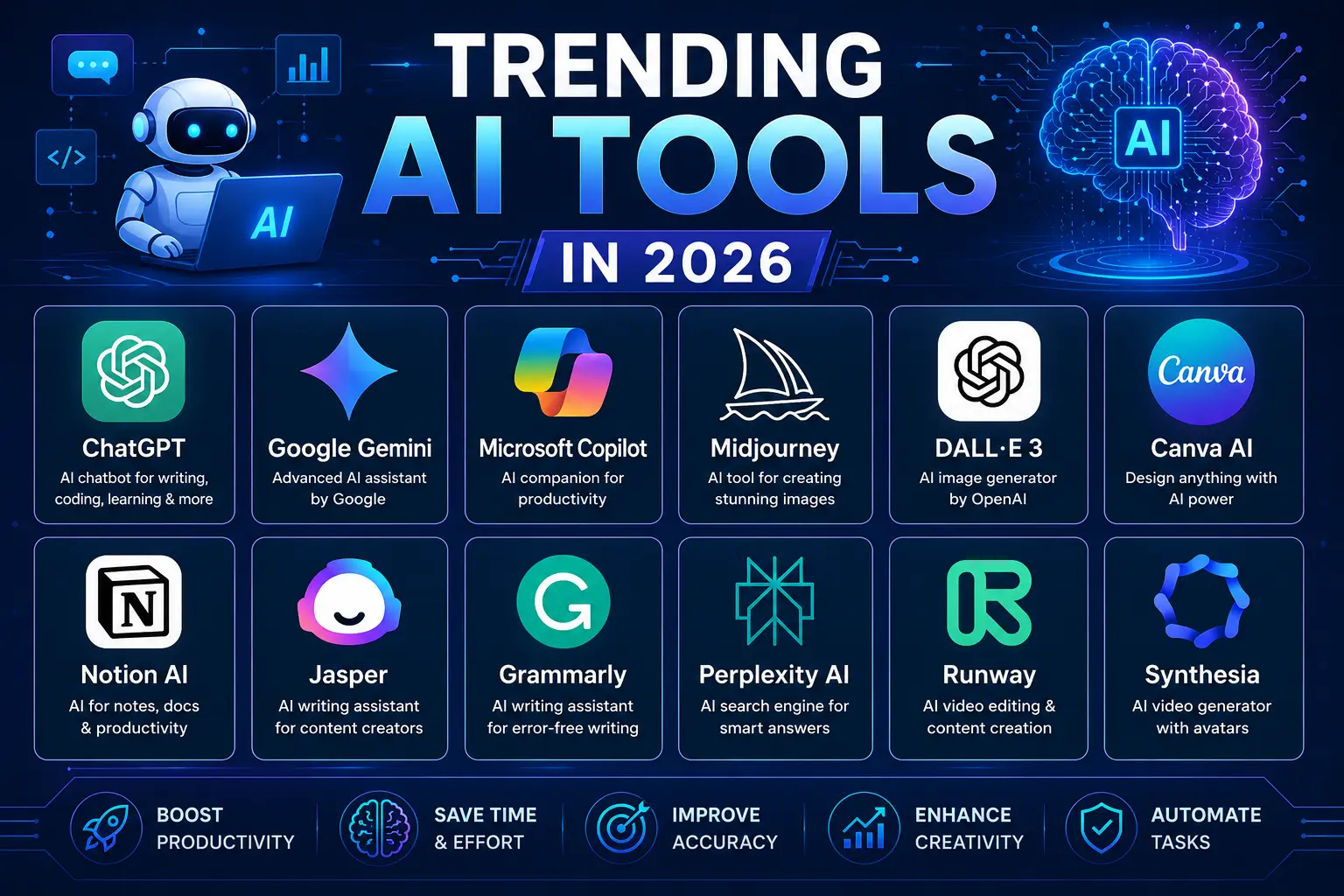
Trending AI Tools in 2026-
ChatGPT
- Content writing
- Research
- Coding
- Marketing ideas
Canva AI
Creates professional graphics and presentations.
Grammarly
Improves grammar and readability.
Gemini
Google’s AI assistant for productivity and research.
Midjourney
Generates high-quality AI images.
Notion AI
Helps organize notes and automate workflows.
Practical Uses of Artificial Intelligence
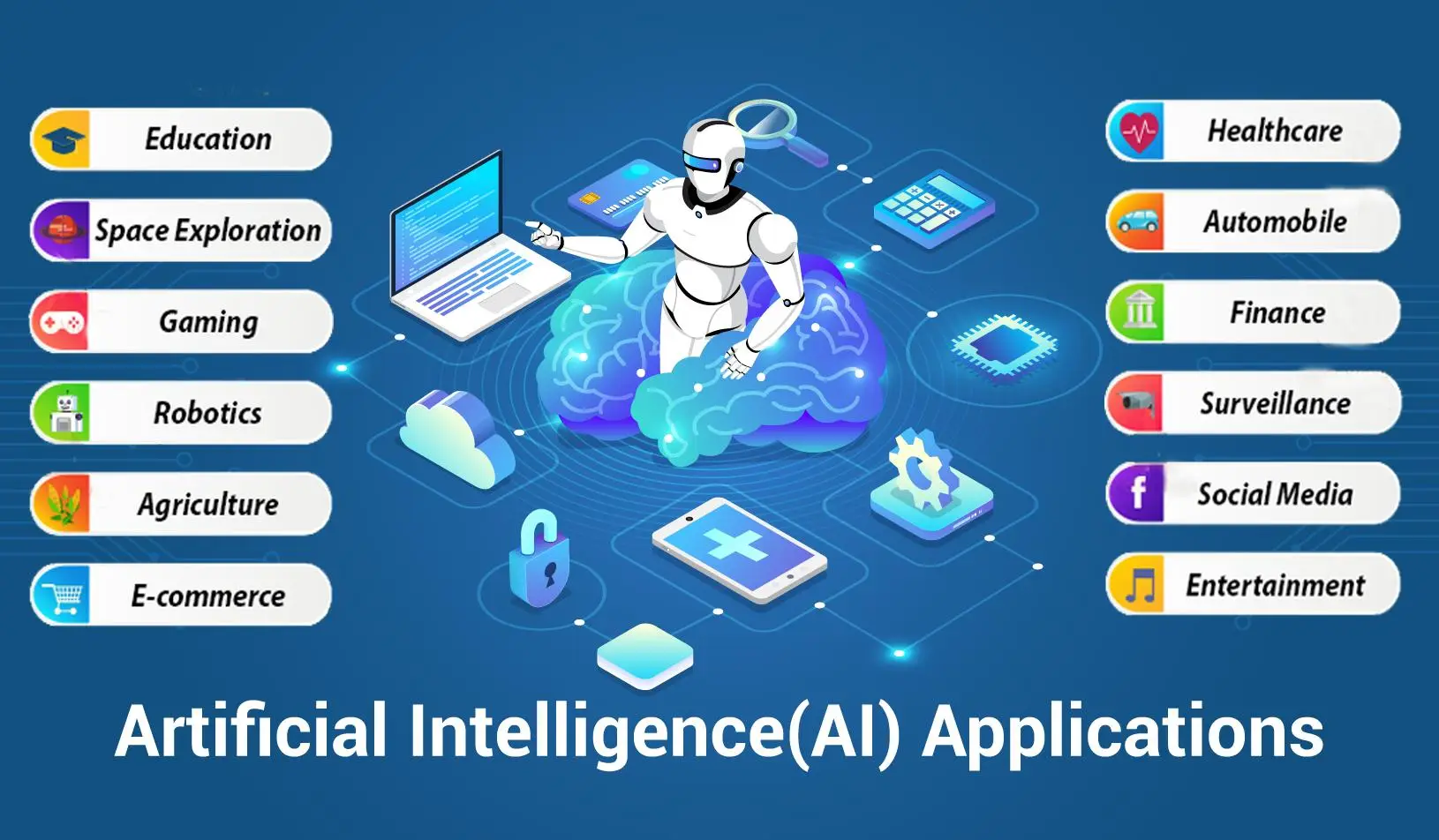
Artificial Intelligence is transforming many industries.
Healthcare
- Disease diagnosis
- Medical imaging
- Drug discovery
Education
- Personalized learning
- Virtual tutors
- Language translation
Banking
- Fraud detection
- Risk analysis
- Customer support
E-Commerce
- Product recommendations
- Chatbots
- Inventory management
Transportation
- Navigation systems
- Autonomous vehicles
- Traffic prediction
Challenges of Artificial Intelligence
Despite its advantages, AI also faces some challenges.
* Privacy Concerns
Protecting user data is becoming increasingly important.
* Job Automation
Some jobs may be replaced by AI-powered systems.
* Ethical Issues
AI should be developed responsibly.
* High Development Costs
Building advanced AI systems requires significant investment.
Future of Artificial Intelligence
The future of Artificial Intelligence looks promising.
Experts predict that AI will revolutionize:
- Healthcare
- Education
- Robotics
- Smart Cities
- Business Automation
AI is expected to create millions of new opportunities in the coming years.
Should Beginners Learn Artificial Intelligence?
Absolutely!
Learning about Artificial Intelligence can help you:
- Build future-ready skills
- Understand emerging technologies
- Improve productivity
- Explore exciting career opportunities
Even basic knowledge of AI can provide a strong advantage in today’s digital world.
Conclusion
Artificial Intelligence is transforming the way we live and work. From smartphones and search engines to healthcare and business automation, AI has become an essential part of modern life.
As AI technology continues to evolve, understanding its fundamentals will help you stay ahead in the digital age.
Whether you’re a student, entrepreneur, or professional, now is the perfect time to start learning Artificial Intelligence.
Frequently Asked Questions?
1. What is Artificial Intelligence in simple words?
Artificial Intelligence is the ability of machines and computers to perform tasks that normally require human intelligence.
2. What are some examples of AI?
Examples include ChatGPT, Siri, Alexa, Google Search, Netflix recommendations, and facial recognition systems.
3. Is Artificial Intelligence difficult to learn?
No. Beginners can easily understand the basics of Artificial Intelligence with simple resources and regular practice.
4. What are the benefits of Artificial Intelligence?
AI saves time, improves efficiency, reduces errors, and enhances customer experiences.
5. Is Artificial Intelligence the future?
Yes. Artificial Intelligence is expected to play a major role in healthcare, education, business, and many other industries.